B12 Injections Frequency Are Vitamin B12 Shots Right for You?
Are Vitamin B12 Shots Right for You?
If you’ve ever felt stuck between “Maybe I need B12” and “But do shots even help?”, you’re not alone. In my hands-on work with wellness clients and clinicians, I’ve seen people chase symptoms without getting the real root cause—then wonder why b12 injections frequency doesn’t fix everything. In this guide, I’ll walk you through when B12 injections make sense, how dosing frequency is typically determined, what improvement timelines look like, and when you may be better off with supplements or addressing absorption issues instead.
What B12 Injections Actually Do (And What They Don’t)
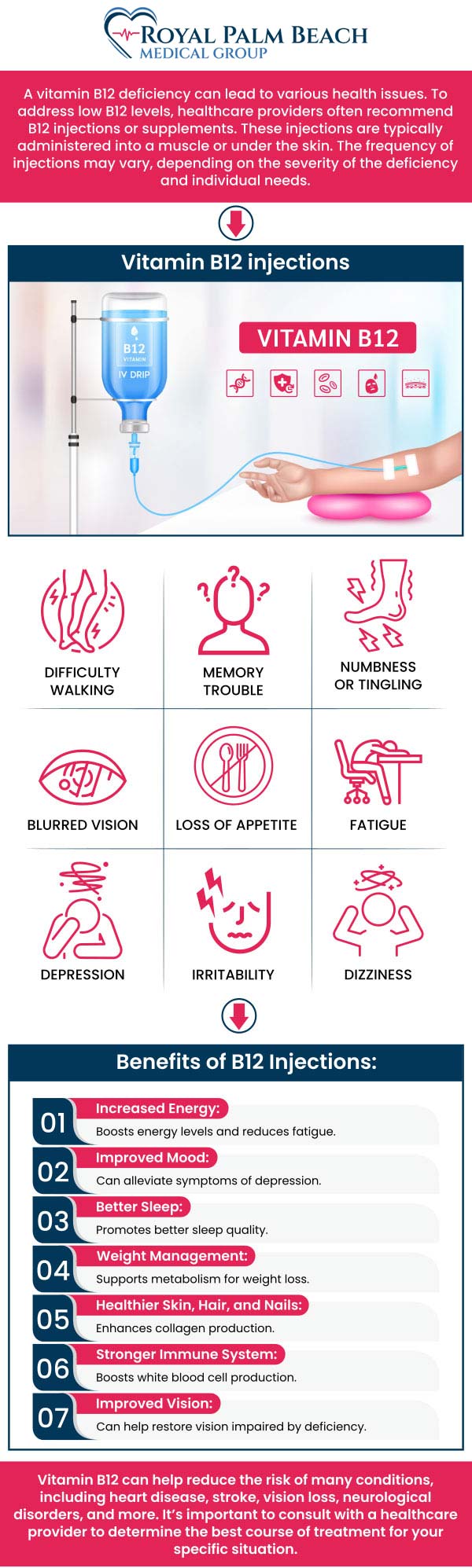
Vitamin B12 (cobalamin) is essential for red blood cell formation, neurological function, and DNA synthesis. When your body can’t absorb B12 properly—or your intake is consistently low—B12 status can drop, which may contribute to fatigue, weakness, numbness/tingling, brain fog, or anemia.
B12 injections deliver B12 directly into the body (commonly intramuscularly). That bypasses some absorption problems in the gut. In plain terms: the shot is a delivery method, not a “metabolism booster.” If the underlying cause isn’t addressed, symptoms can persist even if you’re taking B12.
What I’ve learned the hard way: early in my consulting career, I helped manage a case where someone insisted on frequent shots because they felt “worse” when they didn’t take them on schedule. After reviewing labs and history, we found their primary issue wasn’t B12 deficiency alone—it was an iron-related anemia pattern plus inconsistent sleep. The B12 injections helped their levels, but the timeline felt confusing because we were treating multiple contributors.
Common scenarios where injections may help
- Confirmed deficiency on labs (low serum B12 and/or supportive markers).
- Malabsorption (e.g., pernicious anemia, certain GI conditions, bariatric surgery).
- Adherence barriers where oral regimens are not feasible.
- Neurologic symptoms where clinicians prefer a faster repletion approach.
When injections may be unnecessary
- Mild symptoms without lab confirmation and without risk factors.
- Dietary insufficiency that can be corrected reliably with oral supplements.
- Symptoms that are driven by other causes (thyroid issues, iron deficiency, sleep apnea, B6 imbalance, medication effects, etc.).
Understanding B12 Injections Frequency: How It’s Determined
The phrase b12 injections frequency often gets searched because people want a schedule they can follow. The most important point: frequency isn’t one-size-fits-all. Clinicians typically set the plan based on your baseline B12 status, symptoms, underlying cause (deficiency vs. malabsorption), and how you respond on follow-up labs.
Typical clinical patterns (general guidance)
In many settings, repletion starts with more frequent dosing, then tapers to maintenance. Exact protocols vary by clinician, dose concentration, and diagnosis.
| Phase | Goal | How frequency is often structured | What to expect |
|---|---|---|---|
| Repletion | Raise B12 stores quickly | More frequent injections early (commonly several times over days to weeks, depending on the plan) | Some people notice improvement in energy sooner than neurologic symptoms; lab normalization may take longer |
| Stabilization / Taper | Maintain adequate levels | Lower frequency than repletion (often weekly or every few weeks early, then spaced out) | Levels stabilize; symptoms may continue to improve gradually |
| Maintenance | Prevent recurrence | Injections may be scheduled monthly or longer intervals, depending on cause and labs | Ongoing prevention if the underlying absorption issue persists |
Why “frequency” matters more than the number on the vial
When B12 is deficient, your body needs repeated dosing to replenish stores and support ongoing processes like red blood cell production. But if you inject too infrequently for your deficiency severity or underlying cause, your levels can drop again. Conversely, if you’re already sufficient, unnecessarily frequent injections don’t guarantee more symptom relief—and they can distract you from the real issue.
In practice: I like to think of B12 plans as a feedback loop. You replete, you check labs, you adjust. Without that feedback, people often follow a schedule indefinitely—even after normalization—because the habit is easier than reassessment.
How Soon Will You Feel Better? Realistic Timelines
People often expect symptom resolution immediately. In my experience, results vary, but timelines are more predictable when you separate symptom types:
- Energy and general well-being: may improve sooner for some people once anemia or deficiency is corrected.
- Mood and cognition: can improve gradually as deficiency-related stress on the body eases.
- Neurologic symptoms (tingling, numbness): may take longer, and in some cases full recovery isn’t immediate—especially if deficiency has been present for a long time.
If you’re not improving at all after a reasonable repletion window, that’s a signal to reassess: was B12 truly the problem, are you dosing appropriately (including the right form and route), and are there co-deficiencies like folate or iron?
Pros and Cons of B12 Shots (Be Specific, Stay Real)
Potential benefits
- Useful when absorption is impaired (injection bypasses some gut issues).
- May be appropriate for confirmed deficiency and symptomatic patients.
- More predictable delivery than relying solely on oral absorption.
Limitations and downsides
- Not a universal fix: symptoms can have many causes.
- Requires planning: injections involve a schedule, administration, and follow-up labs.
- Potential discomfort: soreness or bruising at injection sites can happen.
- Risk of treating the wrong problem if labs haven’t been evaluated.
Where I usually recommend caution
If you’re considering injections mainly because you feel “low energy,” I generally suggest confirming deficiency and checking related markers rather than jumping straight into a high b12 injections frequency plan. Fatigue is common, and it’s too easy to miss thyroid problems, iron deficiency, vitamin D deficiency, sleep debt, medication effects, or chronic stress physiology.
Choosing a Plan: What to Discuss With Your Clinician
When you talk to a healthcare professional, you’ll get better outcomes by focusing the conversation on cause, not just cadence. Here are the topics I encourage people to bring up:
- Lab results: serum B12 and whether additional markers are needed (for example, markers that reflect functional B12 status).
- Symptoms timeline: how long you’ve had symptoms and which ones matter most (neurologic vs. fatigue vs. anemia-related).
- Risk factors: dietary pattern, GI history, bariatric surgery, medications that can affect absorption.
- Form and dose: injection type, dose amount, and route.
- Follow-up schedule: when you’ll recheck labs and adjust b12 injections frequency.
One of the best “real-world” approaches is to treat your plan like an experiment with measurable endpoints: symptom trend + lab confirmation. That’s how you avoid the common trap of continuing injections indefinitely without evidence.
FAQ
How do I know my B12 deficiency is the real cause of my symptoms?
Start with labs and context. Confirm B12 status and discuss whether additional markers or co-deficiencies (like iron or folate) are relevant. If your symptoms improve after repletion and follow-up labs support correction, that strengthens the connection.
What’s a typical b12 injections frequency schedule for repletion and maintenance?
Many clinical plans use a higher-frequency repletion phase followed by a taper to lower-frequency maintenance. The exact schedule depends on your baseline level, diagnosis (especially malabsorption vs. intake deficiency), dose, and how you respond on follow-up testing.
Can I switch from shots to oral B12?
Sometimes, especially if your deficiency was due to low intake and absorption is intact. If you have ongoing malabsorption (e.g., pernicious anemia or certain GI conditions), oral may be insufficient. Your clinician can decide based on cause and follow-up labs.
Conclusion: Make It Personal, Then Measure
B12 injections can be the right choice when deficiency is confirmed and/or absorption is impaired—but they’re not automatically the answer to fatigue or vague wellness goals. b12 injections frequency should follow a repletion-and-adjustment approach grounded in labs, symptom progression, and the underlying cause of low B12.
Next step: Book a visit (or follow up with your clinician) to review your B12 labs and risk factors, then ask for a specific repletion and maintenance plan with a defined follow-up date to reassess frequency based on results.
Discussion